Durable Vehicle Replacement Parts: Uncover Your Perfect Match
Reliable vehicle replacement parts are necessary for vehicle performance and safety. Car owners must first identify their specific needs based on make, model, and year. Quality components, especially OEM parts, are crucial for a proper fit and compliance with standards. However, the market is flooded with options, making it difficult to make the right choice. Understanding where to source these parts can greatly affect their vehicle's longevity and reliability. What factors should one reflect on in this decision-making process?
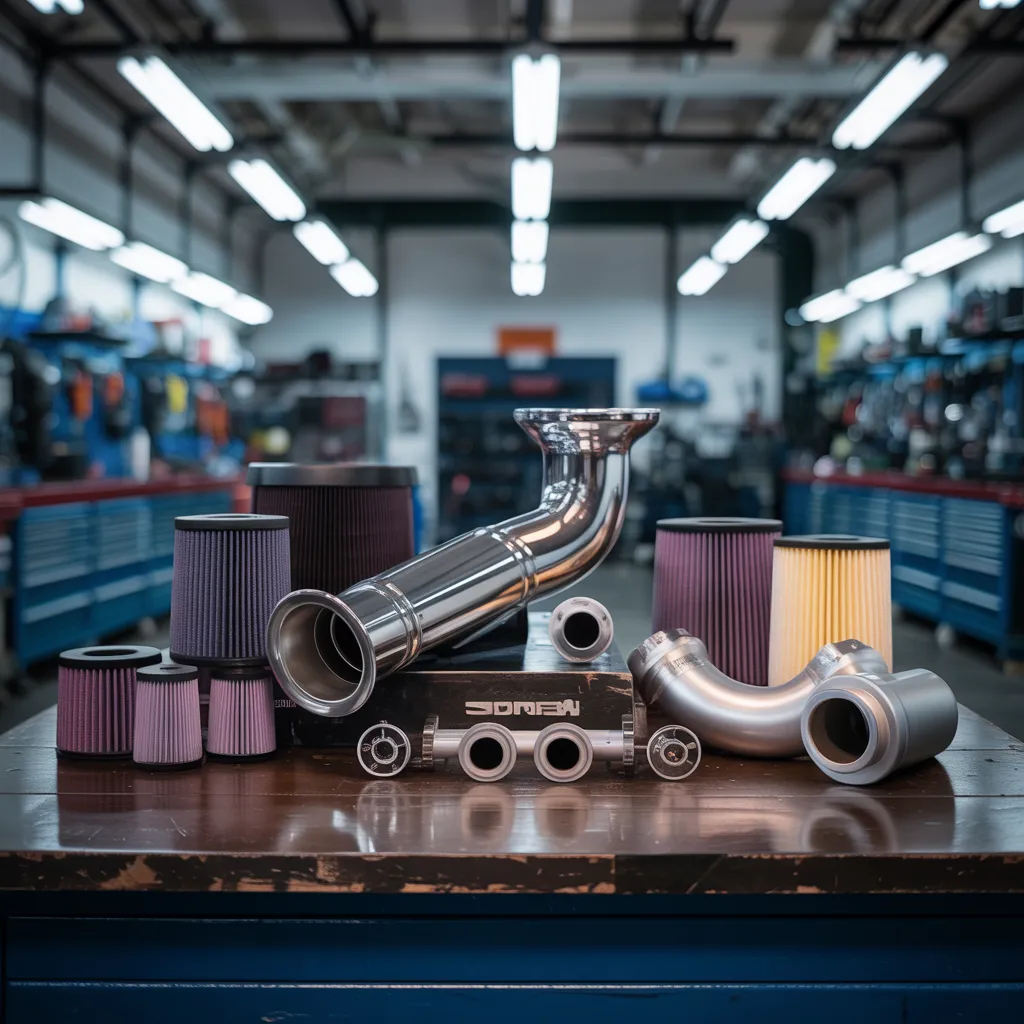
Which Vehicle Replacement Parts Are Necessary?
When looking at what automobile replacement parts are necessary, one must assess the detailed needs of their vehicle. Vehicles need specific parts based on make, model, and year. Frequently replaced components that often require replacement include brake pads, batteries, filters, and belts. Regular wear and tear leads to the deterioration of these parts, making prompt replacement crucial for peak performance and safety.
Additionally, comprehending the vehicle’s application plays a key role in selecting which parts to give precedence to. For example, a vehicle frequently driven in tough conditions may call for more often replacements of certain components. Consulting the owner’s manual can provide valuable insights into recommended replacement intervals. Moreover, it is important to assess the potential for upgrades or modifications, as these may necessitate specific parts that enhance performance or efficiency. By accurately identifying the necessary parts, vehicle owners can maintain their vehicles effectively and extend their lifespan.
Ways to Determine Calibration in Substitute Components
Determining caliber in replacement parts is necessary for ensuring vehicle performance and safety. To start, one should assess the components used in the part; high-quality components often employ resilient metals or composites that resist wear and corrosion. Looking for certifications, such as ISO or SAE standards, can also demonstrate consistency, as reputable manufacturers comply with strict guidelines.
Additionally, analyzing the quality of the part is essential—smooth surfaces and even coatings show improved manufacturing processes. Original Equipment Manufacturer (OEM) parts are often the standard, since they correspond to the designs of the vehicle’s original components.
Furthermore, looking into the manufacturer's reputation gives understanding about the quality of their products. User reviews and professional suggestions can reveal potential issues or advantages. By combining these elements, one can accurately gauge the condition of replacement parts, which leads to educated buying choices.
Where to You Buy Quality Auto Parts?
Where can someone buy superior auto parts that guarantee reliability and effectiveness? Numerous esteemed sources provide a large range of auto parts adapted for different needs. Local auto parts stores usually serve as the first stop, offering expert staff and instant access to essential components. Chain retailers may also stock a range of products, from basic to high-performance parts.
Online vendors provide an option, featuring large selections and competitive pricing. Websites focused on auto parts often include user feedback, helping with educated purchasing decisions. Furthermore, manufacturer websites may offer direct sales to original equipment parts, assuring authenticity.
For those in search of specialized parts, salvage yards can be a treasure trove of budget-friendly, used parts that are still in working order. Ultimately, consumers should prioritize research and check the credibility of their selected source to guarantee they are investing in high-quality car parts.
OEM versus Non-OEM Auto Parts: Essential Considerations
Making a decision between OEM and aftermarket auto parts is important for vehicle owners. Original Equipment Manufacturer (OEM) parts are fabricated by the vehicle’s manufacturer, ensuring a perfect fit and adherence to standards of the industry. They often feature warranties and are designed to keep the vehicle’s original performance intact. Nonetheless, OEM parts can be pricey.
On the other hand, non-OEM components are made by third-party suppliers and vary greatly in terms of quality. While they might offer cost savings, the fit and reliability might not always be comparable to OEM parts. Vehicle owners should reflect on their budget, the specific part required, and the vehicle's warranty conditions when making this choice. Investigating the reputation of aftermarket manufacturers can also shed light on possible durability and performance. Ultimately, deciding between OEM and aftermarket parts relies on one's own preferences and context.
How to Mount Replacement Parts Like a Pro
When putting in replacement parts, having the right tools is essential for success. A comprehensive guide can simplify the process and confirm the correct fitting of each component. By adopting these suggestions, anyone can improve their expertise and achieve professional-level results.
Key Resources You Depend On
For a smooth auto repair experience, it is vital to equip oneself with the correct tools. A standard toolkit should contain wrenches and sockets in numerous sizes, enabling versatile use. Screwdrivers, both flathead and Phillips, are necessary for removing screws during installations. Pliers and wire cutters help in effectively gripping and cutting components. A torque wrench guarantees that bolts are tightened to manufacturer guidelines to prevent damage. Additionally, a jack and jack stands are needed for safely lifting the vehicle. A multimeter can aid in diagnosing electrical issues, while a funnel and oil catch pan make fluid changes cleaner and easier. Having these crucial tools on hand not only streamlines the repair process but also enhances the overall quality of the installation.
Detailed Stage-by-Stepwise Installation Walkthrough
Replacing parts can be a straightforward process with the right approach. First, check that all essential tools and parts are collected to minimize interruptions. Start by reviewing the vehicle's manual for precise instructions about the part being replaced. Then, disconnect the battery to guarantee safety during the installation. Remove the old part carefully, paying attention to its installation. When important resource fitting the new part, align it correctly and fasten it according to manufacturer guidelines. Afterward, reconnect the battery and perform a functionality test. Finally, dispose of the old part properly. By following these steps, you not only ensure a successful installation but also improve the vehicle's longevity and performance.
How to Maintain Your Car After Replacing Components
Properly servicing a car after exchanging parts is important to ensure its durability and function. Regular inspections are important; vehicle owners need to check the recently installed components for wear or misalignment. Routine oil changes promote optimal engine performance, and keeping proper fluid levels prevents overheating and mechanical issues.
Consistent tire care such as rotation and pressure checks guarantees even wear and improves handling. Additionally, following the manufacturer’s recommended maintenance schedule helps in identifying potential problems early.
Driving habits also play a role; forceful acceleration and abrupt braking can strain new parts. Keeping the vehicle clean helps prevent rust and corrosion, especially in zones where new components were installed.
Ultimately, keeping records for all changed parts and maintenance services assists in tracking the vehicle’s health across time, ensuring it remains in prime condition. By sticking to these procedures, vehicle owners can maximize the benefits of their fresh parts replacements.
Commonly Asked Inquiries
In what way can I verify a parts guarantee before purchase?
To check a parts warranty before buying, it is necessary to go over the manufacturer’s documentation, check online resources, and talk to the retailer. In addition, confirming warranty terms straight from customer service can offer further assurance.
What implements must I have when exchanging car parts
To swap out auto parts, a person generally needs basic tools such as wrenches, sockets, screwdrivers, pliers, and a jack. Extra tools like torque wrenches and a multimeter may be necessary for specific tasks.
Can you recognize usual signals of defective replacement parts?
Common signs of improper replacement parts include atypical noises, vibrations, warning lights, decreased performance, fluid leaks, and premature wear. These signals often suggest that the installed components are not working as intended, requiring immediate attention.
How could I discard used auto parts in an eco-friendly way?
To dispose of old auto parts responsibly, individuals should check local recycling centers, take part in automotive waste collection programs, or return parts to retailers that offer recycling services, guaranteeing environmental safety and compliance with regulations.
What Should I Do if a Component Is Malfunctioning?
When a part is defective, the person should reach out to the supplier for a refund or replacement. Document the problem and follow any specific warranty instructions provided, ensuring proper settlement and reducing potential disruption to their vehicle’s functioning.